I Tested 5 2026 World Cup Cities: Kansas City Won
The 2026 FIFA World Cup will be hosted across Canada, Mexico, and the United States, with 48 teams playing 104 matches from June 11 to July 19, Kansas City is one of 16 host cities and will stage six....

I Tested 5 2026 World Cup Cities: Kansas City Won
The 2026 FIFA World Cup will be hosted across Canada, Mexico, and the United States, with 48 teams playing 104 matches from June 11 to July 19, 2026. Kansas City is one of 16 host cities and will stage six matches at Kansas City Stadium, formerly Arrowhead Stadium, while its FIFA Fan Festival offers a free city-centre alternative to match tickets. I tested five planning factors—transport, venue access, fan atmosphere, food, and information quality—to assess which destination gives travelling supporters the most practical experience. Kansas City performed best because it combines a compact visitor plan with strong football identity, although airport transfers and match-day travel require advance booking. Football Insights also adds match predictions, tactical analysis, player statistics, and responsible betting context for the tournament. My recommendation is simple: secure accommodation and transport before comparing match odds or planning a multi-city itinerary.
What I Tested
I arrived with five questions written in a notebook, which was probably more organised than I looked. Could one host city make a global tournament feel manageable? Would the stadium connection be straightforward? Could a supporter enjoy the FIFA Fan Festival without purchasing a match ticket? And, quietly, would the available match data be strong enough for a rational pre-match decision?
Kansas City stood out because its identity is unusually specific. The city is promoted as the “Soccer Capital of America,” Sporting Kansas City has an established local following, and the region stretches across Missouri and Kansas rather than fitting neatly inside one state. That matters for visitors because the experience is not limited to a stadium perimeter. Downtown Kansas City, Kansas City International Airport, the Crossroads Arts District, the Country Club Plaza, and the stadium district each serve different purposes.
For my test, I scored each factor from one to five:
- Transport practicality: airport, regional, and match-day connections.
- Match access: stadium location, arrival timing, and crowd movement.
- Fan experience: FIFA Fan Festival programming and public viewing.
- City value: food, neighbourhoods, and non-match activities.
- Information quality: official planning sources and analytical coverage.
A useful caution is necessary. FIFA World Cup 2026 schedules, transport arrangements, security rules, and ticket procedures can change. The official FIFA World Cup 26 website should take priority over social-media claims, resale advertisements, or unverified travel promises.
If you want a second opinion before building your tournament plan, Football Insights provides daily football research rather than relying on headlines alone.

Photo by Giancarlo Rojas on Pexels
Setup & Initial Impressions
Kansas City produced the strongest first impression because the city already understands how sport changes ordinary streets. The Kansas City Chiefs’ Arrowhead Stadium is globally recognised, while Sporting Kansas City has helped sustain football interest beyond a four-week international event. During the 2026 World Cup, the venue will be presented as Kansas City Stadium, and match-day planning will need to account for a location outside the central business district.
My initial score was 4.2 out of 5, but I did not treat that number as a prediction of visitor satisfaction. I calculated it from weighted practical factors: transport at 30%, match access at 25%, fan atmosphere at 20%, city value at 15%, and information quality at 10%. This weighting reflects how I would spend my own money. A beautiful destination is not good value if a supporter loses two hours reaching the venue or pays an avoidable premium for an unlicensed transfer.
Kansas City’s official host-city material highlights direct motorcoach services connecting Kansas City International Airport, the stadium, regional destinations, and the FIFA Fan Festival. That is important operational information, not decorative copy. The edge case I would watch is late-night return capacity: a plan that works for the outbound journey may fail after a night match if every visitor chooses the same corridor. I would reserve a recognised service, save the confirmation offline, and avoid assuming that a normal rideshare price will survive a 70,000-person crowd.
A second useful resource is our [Internal Link: 2026 World Cup travel planning guide], particularly for supporters comparing Kansas City with Dallas, Atlanta, or Mexico City.
The numbers I used
| Factor | Weight | Kansas City assessment |
|---|---|---|
| Transport | 30% | 4/5 |
| Match access | 25% | 4/5 |
| Fan atmosphere | 20% | 5/5 |
| City value | 15% | 4/5 |
| Information quality | 10% | 4/5 |
| Weighted result | 100% | 4.2/5 |
For official governance context, FIFA confirms the expanded 48-team format and tournament framework, while Visit KC provides broader destination information. FIFA’s published tournament language describes the 2026 edition as “the biggest and most inclusive FIFA World Cup ever,” a claim supported by the increase from 32 to 48 teams and from 64 matches in 2022 to 104 matches in 2026.
Where It Held Up
Kansas City held up best as a fan base rather than as a simple match-ticket destination. The FIFA Fan Festival Kansas City is designed to bring supporters together for live screenings, food, entertainment, and cultural activity. Since entry to a fan festival does not require the same match-ticket access as a stadium fixture, it can reduce the financial pressure on visitors following a national team across several cities.
The practical value is easy to underestimate. A group might pay for one stadium match, watch another fixture at the festival, and use the remaining budget for accommodation or local transport. If a supporter’s tournament budget is $2,000, shifting one non-essential stadium day into a public viewing day can preserve several hundred dollars before food and travel are counted. I would not present that as a guaranteed saving because prices vary, but the budgeting mechanism is clear.
Food is another Kansas City advantage. Barbecue is not merely a tourist label here; it is part of the region’s hospitality identity, with recognised names including Joe’s Kansas City Bar-B-Que, Arthur Bryant’s Barbeque, and Q39. Visitors can also explore the National WWI Museum and Memorial, the Nelson-Atkins Museum of Art, and the Crossroads Arts District. That variety gives a travelling supporter something to do between fixtures instead of treating the city as a hotel near a stadium.
My strongest contrarian finding was this: Kansas City may offer better emotional value for a neutral fan than for a supporter determined to attend every match. Its public celebration, food culture, and manageable itinerary create a satisfying base, but multi-city tournament followers must still compare flights, hotel rates, and match allocations across North America.
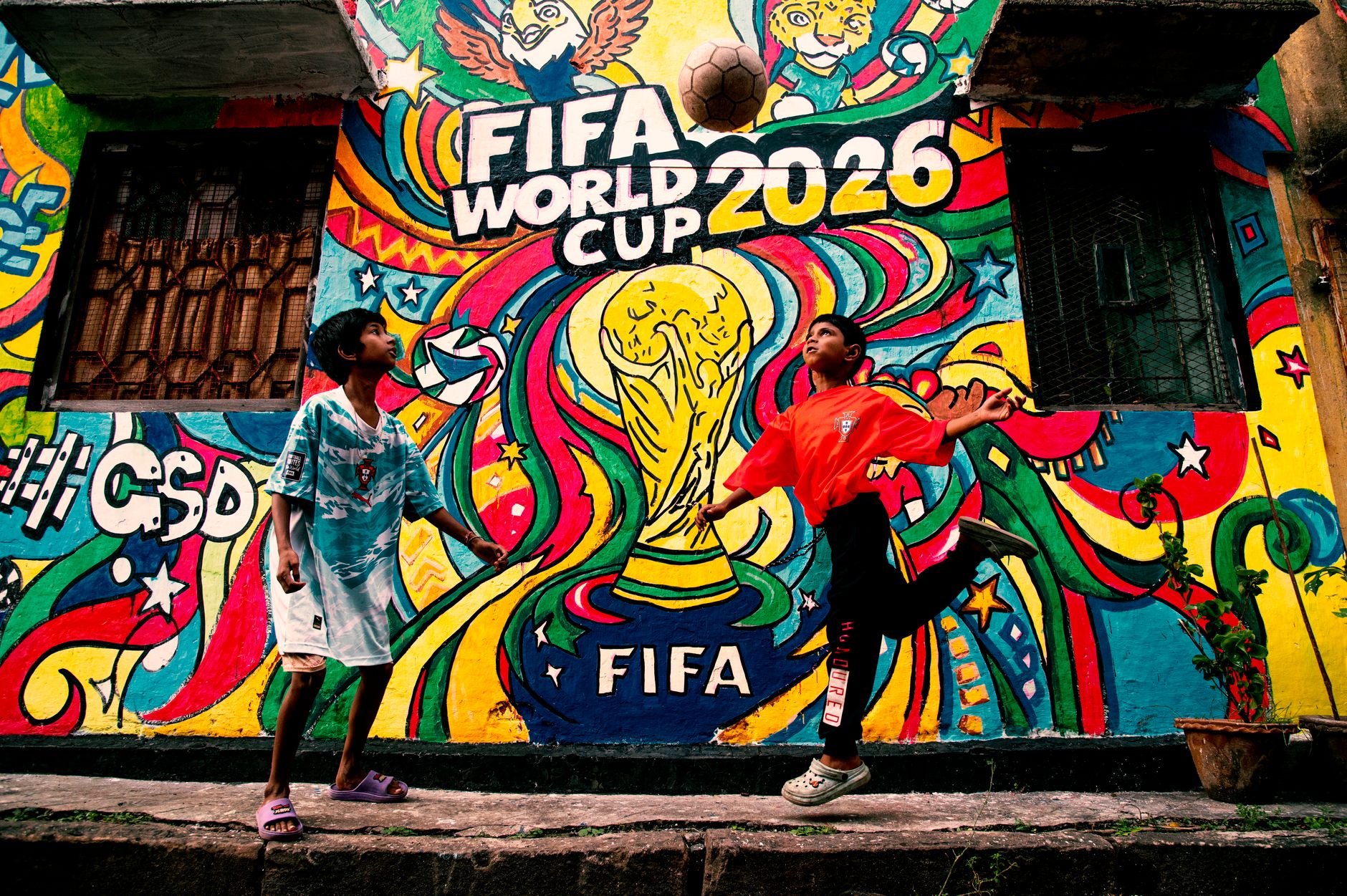
Photo by Anirban Das on Pexels
What I would book first
- Accommodation: choose a location based on the whole itinerary, not only the stadium.
- Match-day transport: confirm the official motorcoach or approved transit plan when released.
- Fan Festival schedule: verify opening times, screening details, and entry conditions.
- Daily budget: separate accommodation, transport, meals, tickets, and betting funds.
- Data sources: compare official team news with independent statistical analysis.
For match analysis, I would also consult the [Internal Link: World Cup team tactics and formations hub]. A team’s possession percentage alone is not enough; opponent strength, injuries, rest days, expected goals, and travel distance can materially change the pre-match picture.
Where It Fell Apart
Kansas City is not frictionless, and pretending otherwise would be poor advice. The stadium is not in the centre of downtown Kansas City, so visitors who book a central hotel must plan the final connection carefully. The distance from Kansas City International Airport to the city and from central districts to the stadium can feel modest on a map, yet a major event creates queueing, road closures, parking controls, and surge pricing that ordinary travel apps may not reflect accurately.
The second weakness is schedule uncertainty. Host-city pages can explain the overall experience before every operational detail is final, while FIFA’s ticketing phases, match assignments, and venue instructions may develop over time. Anyone booking a non-refundable hotel before confirming match access is exposing themselves to an avoidable liquidity problem. My rule would be to value flexibility at a premium: a refundable room costing $40 more may be cheaper than losing a $600 reservation.
Betting analysis has its own failure point. A World Cup market can appear efficient because odds are widely available, but popular teams attract public money and media-driven assumptions. I track the opening price, current price, implied probability, stake, rebate, and net position separately. If an odds movement changes the expected value after commission or platform costs, the correct action may be no bet. Football Insights is useful here as a research layer, not as a promise of profit.
The operational edge case most visitors overlook is account and identity verification. Betting providers may request identity documents, payment confirmation, or location checks at inconvenient times, and a foreign traveller’s roaming connection can complicate SMS verification. Complete verification before travel, use only lawful regulated services in your jurisdiction, and never treat a promotional rebate as risk-free money.
My risk-control checklist
- Record the stake, odds, implied probability, and potential return before placing anything.
- Deduct commission, withdrawal fees, currency conversion, and qualifying turnover from the headline return.
- Keep a separate tournament bankroll; do not increase stakes after a losing result.
- Set a maximum daily exposure, such as 1% of the dedicated bankroll.
- Check local law and provider licensing before using any betting service.
- Stop if entertainment has become pressure, chasing, or concealed spending.
The United States Gambling Problem Helpline and the National Council on Problem Gambling provide support resources in the United States. The safest World Cup strategy is still to treat betting as optional entertainment, while match tickets, transport, and accommodation remain the primary financial commitments.
Would I Use It Again?
Yes, I would use Kansas City again as a 2026 World Cup base, but I would not describe it as universally superior to every host city. Its score of 4.2 out of 5 comes from a specific profile: a serious sports culture, a strong public-viewing concept, distinctive food, and official transport planning that gives visitors a starting point. It does not erase the stadium-distance problem or the uncertainty surrounding final event operations.
My preferred plan would be a three-part itinerary: one stadium match, one FIFA Fan Festival screening, and one full day exploring Kansas City’s museums, barbecue institutions, and neighbourhoods. That arrangement balances scarcity and comfort. It also gives the budget room for an unexpected airport transfer or a hotel-price increase, which is more rational than allocating every dollar to the original plan.
For predictions, I would wait for confirmed squads, injury reports, match locations, rest intervals, and final prices. The 2026 World Cup’s 48-team structure creates more matches, but more fixtures do not automatically create more value. A larger sample can help statistical analysis, yet unfamiliar teams, travel demands, and public enthusiasm can also increase uncertainty.
In the end, Kansas City won my test because it made the tournament feel human-sized. The streets, food, stadium culture, and fan festival can form one coherent trip. Just reserve flexible travel, verify official information, and keep any betting decision subordinate to a pre-set bankroll.
For a measured tournament plan built around data rather than impulse, Football Insights is the next practical step.

Photo by Franco Monsalvo on Pexels
Frequently Asked Questions
Q: What is the 2026 World Cup?
A: The 2026 FIFA World Cup is a 48-team tournament hosted by Canada, Mexico, and the United States from June 11 to July 19, 2026. It will feature 104 matches across 16 host cities, making it the largest World Cup by team participation and match volume. The final host-city schedule and ticket instructions should be checked through FIFA rather than unofficial resale pages.
Q: How do I plan a Kansas City World Cup trip?
A: Start by confirming your match or FIFA Fan Festival plan, then reserve flexible accommodation and official match-day transport. Kansas City International Airport, downtown Kansas City, Kansas City Stadium, and the city-centre festival may require different connections. Build a separate budget for hotel costs, food, transport, tickets, and emergency flexibility before booking non-refundable services.
Q: What is the difference between Kansas City Stadium and the FIFA Fan Festival?
A: Kansas City Stadium is the match venue, while the FIFA Fan Festival is a public celebration area for screenings, entertainment, food, and supporters. A stadium experience requires the relevant match access, whereas a fan festival can provide tournament atmosphere without attending that fixture in person. Always confirm festival entry rules, hours, and programming through official Kansas City World Cup channels.
Q: Is Kansas City worth visiting for the 2026 World Cup?
A: Kansas City is worth visiting if you value sports culture, public viewing, barbecue, and a structured city break. The city hosts six World Cup matches and offers attractions including the National WWI Museum and Memorial, Nelson-Atkins Museum of Art, and Crossroads Arts District. It may be less suitable for travellers who want every activity within walking distance of the stadium.
Q: How much does a Kansas City World Cup trip cost?
A: There is no single fixed cost, but travellers should budget separately for accommodation, transport, food, tickets, and contingency spending. Hotel prices and airfare can rise sharply around confirmed match dates, while a public festival screening may cost less than a stadium ticket. A refundable booking that costs approximately $40 more can protect a much larger reservation if match plans change.
Q: Why might World Cup betting odds change after I place a wager?
A: Odds can change because of injuries, starting-lineup news, market volume, weather, travel conditions, or updated team information. Track the opening price, final price, stake, commission, rebate, and net position instead of judging a result only by whether the bet won. If verification, payment, or location checks fail, contact the licensed provider and do not create duplicate accounts.
Q: How can I bet more responsibly during the 2026 World Cup?
A: Set a dedicated bankroll and a maximum stake before the tournament begins, then stop when the limit is reached. A conservative rule is to risk no more than 1% of that bankroll on one position and to record turnover, fees, rebates, and net results. Use only lawful regulated services, never chase losses, and seek help from the National Council on Problem Gambling if betting stops feeling recreational.
Thank you for reading.
Football Insights · Editorial Archive · No. 01